Introduction to Customer Onboarding
Customer onboarding is the critical process of welcoming new clients while ensuring their identities are thoroughly verified and compliant with regulatory standards. In today’s regulatory environment, the onboarding process must address Anti-Money Laundering (AML) and Know Your Customer (KYC) requirements from the very first interaction. This means that customer identification—collecting and verifying personal details and identification documents—is not just a formality, but a foundational step in protecting your business from money laundering and other financial crimes.
During customer onboarding, companies must screen new clients against sanctions lists, Politically Exposed Persons (PEP) databases, and adverse media sources to identify potential risks. These anti money laundering checks are essential to ensure that only legitimate clients proceed to account setup. Every step in the onboarding process, from initial data collection to final account activation, is designed to ensure compliance and safeguard both the business and its customers. By integrating robust compliance measures into the onboarding process, organizations can securely and efficiently bring new clients on board, building a foundation of trust from day one.
Key Takeaways
- Between 30–50% of prospects abandon onboarding in 2024 due to friction, while regulated industries must simultaneously meet KYC/AML, GDPR, and local requirements—making the balance between compliance and conversion a defining challenge.
- Smart client onboarding now relies on a risk based approach with progressive disclosure and automation (digital identity verification, OCR, AI anti-fraud) to keep low risk customers moving fast while still catching fraud and meeting regulatory demands.
- Datakeen’s AI platform helps American banks, insurers, mobility firms, and rental platforms cut onboarding time from days to minutes by automating identity verification, document checks, and ongoing monitoring in a fully compliant way.
- Balancing compliance and customer experience is an ongoing optimization problem: compliance teams and product owners must track KPIs like completion rate, onboarding time, and false positives, then iterate journey design and decision rules.
- Data sovereignty and EU-grade privacy are now part of the equation—using EU-hosted, explainable AI like Datakeen reduces legal risk without adding unnecessary steps or extra friction to the user experience.
The Real Cost of Friction in Client Onboarding
When prospects drop out of your onboarding flow, you’re not just losing a signup—you’re losing months of potential customer lifetime value and inflating your acquisition costs. Recent benchmarks from American fintech companies and banking show that 30–40% of prospects abandon the onboarding process when it exceeds 10 minutes or requires multiple document uploads.
- An American neobank reported losing thousands of applications per month because users were asked to re-upload the same government issued id across different verification steps, with no clear progress indicators.
- An American rental platform saw 25% drop offs at the proof-of-income step, where users couldn’t complete the process on mobile and had to switch to desktop, highlighting the need to reduce drop offs by streamlining the experience.
- In financial institutions, overlapping KYC and anti money laundering checks—often managed by different internal teams—create redundant requests that frustrate new clients before they ever use the product.
- Legacy onboarding workflows force customers through long forms, multiple channels (email, branch, PDF), and days of waiting, all of which erode customer trust before the relationship begins.
- Conversion-only thinking, on the other hand, risks weak customer identification, sanctions breaches, or synthetic identity fraud that can devastate both reputation and regulatory standing.
High abandonment and false rejection rates are common pain points for retail banks during onboarding.
The tension is real: compliance-heavy flows kill conversion rates, but ignoring regulatory requirements exposes your business to fines, fraud, and remediation programs.
Regulatory Pressure: Why Compliance Can’t Be an Afterthought
For EU businesses in 2024, the onboarding process must comply with AMLD5/6, GDPR, local KYC rules (such as ACPR/AMF in France or BaFin in Germany), and sector-specific guidance for banks, insurers, and payment institutions. The regulatory landscape is only getting more complex, and regulators now expect documented, auditable evidence that you’ve met your obligations.
- Customer Identification Program (CIP) requires reliable ID documents, typically a passport or national ID card, verified against known security features.
- Sanctions and PEP screening must happen in real time, checking EU lists, UN lists, and OFAC where relevant, with clear documentation of every decision.
- Customer due diligence (CDD) and enhanced due diligence (EDD) processes must be tailored to the customer’s risk profile, ensuring that the level of scrutiny matches the specific risk associated with each customer.
- GDPR and data sovereignty add requirements for explicit consent, purpose limitation, data minimization, retention rules, and—for many Datakeen clients—the need to keep customer data in EU data centers or on-premise.
- 6AMLD (in force since 2021) and ongoing EBA guidelines on remote onboarding have increased expectations for video-identity and biometric checks.
- Risk-based onboarding is now the regulatory expectation: low-risk EU retail clients can be fast-tracked, while higher risk clients, complex corporates, or cash-intensive businesses must face enhanced due diligence.
The onboarding process must adhere to AML frameworks to avoid regulatory fines and reputational damage.
Ignoring these rules in favor of higher conversion is unsustainable. The result is fines, remediation programs, and reputational damage that far outweigh any short-term gains.
The Conversion Imperative: Modern Customer Expectations
In 2024, users benchmark your customer onboarding experience against the best apps they use—think instant wallet creation in under 3 minutes. To meet these expectations, best practices recommend strategies that optimize user experience while ensuring compliance. If your onboarding flow is slow or confusing, customers understand they can leave and find a competitor who respects their time.
- Users expect mobile-first onboarding journeys, with the ability to capture ID and documents using their smartphone camera.
- Progress indicators are essential: customers want to know how many steps remain and what happens next (e.g., “your identity check will take less than 60 seconds”).
- Target onboarding completion in under 5 minutes for standard retail users, with document approval within seconds using AI OCR and authenticity checks.
- Less than 10% of users should need manual re-submission when flows are optimized.
- B2B and KYB onboarding journeys can also be fast: pre-filling from company registries, automated extraction from KBIS/extracts, UBO mapping, and digital signatures reduce what used to take days to a same-day process.
- For landlords, mobility firms, and insurers, “conversion” means fewer back-and-forth emails, no need to visit a branch, and clear communication about which documents are strictly required.
Friction is a primary cause of abandonment; best practices emphasize making compliance feel unobtrusive to keep users engaged.
Legacy flows that ask for redundant information, require channel-switching, or offer no feedback create onboarding friction that modern customers won’t tolerate.
Bite-sized onboarding collects only essential details at sign-up to hook users within a critical seven-minute window, deferring deeper verification for later stages or higher transaction thresholds.
Designing a Risk‑Based, Progressive Onboarding Journey
Progressive onboarding means starting with minimal friction to create an account, then unlocking additional features or higher limits as more verification is completed based on risk. This tiered onboarding flow is now best practice for fintech companies, banks, and insurers who want to ensure compliance without sacrificing the customer experience.
How to segment users by risk at registration:
- Geography: EU residents may face lighter initial verification, while non-EU applicants trigger additional checks.
- Product type: A basic savings account requires less scrutiny than a high-limit credit product.
- Transaction limits: Low-value accounts can be opened quickly; higher limits require additional verification steps.
- Legal form: Individuals versus companies have different risk levels and documentation requirements.
- Fraud signals: Device fingerprinting, IP reputation, and velocity checks help identify suspicious activities early.
Phased model for retail clients:
| Step | Actions | Unlocks |
|---|---|---|
| 1 | Email, phone, basic information, simple ID capture | Basic account with low limits |
| 2 | Full ID verification, liveness check | Higher transaction limits |
| 3 | Income/affordability documents | Credit, rentals, or premium products |
Phased model for KYB (business clients):
| Step | Actions | Unlocks |
|---|---|---|
| 1 | Company name, registry number | Initial sign-up |
| 2 | Automated registry lookup, UBO extraction | Standard business account |
| 3 | EDD for high-risk industries or non-EU jurisdictions | Full access and higher limits |
Datakeen supports this approach with configurable workflows via API, decision rules that branch based on risk scoring, and separate modules for IDV, document OCR, sanctions checks, and AML transaction triggers. This allows you to reduce friction for low risk customers while maintaining rigorous risk assessments for higher risk clients.
Key Components of a Balanced Onboarding Flow
A compliant yet high-conversion onboarding workflow in 2024 should include the following building blocks, regardless of sector:
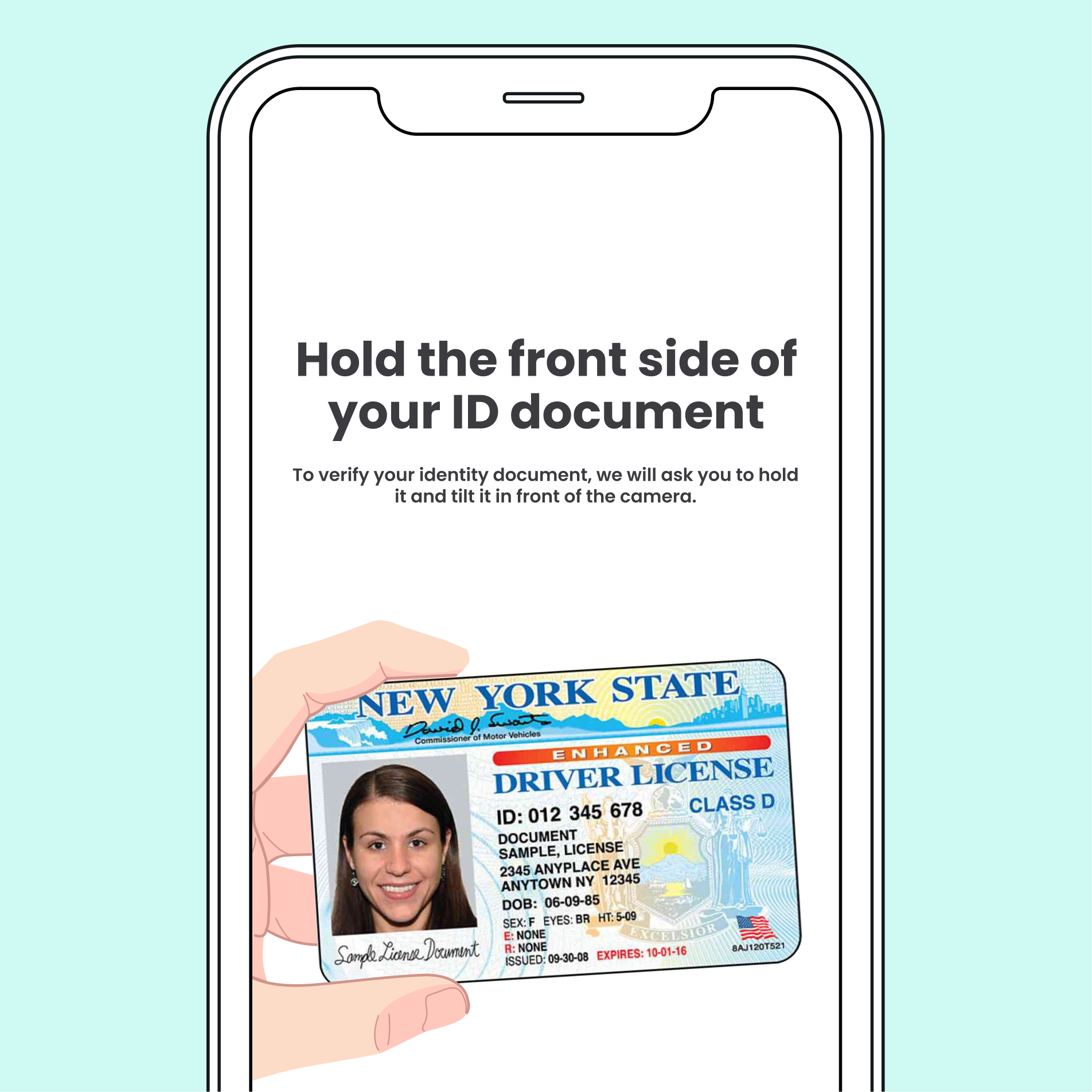
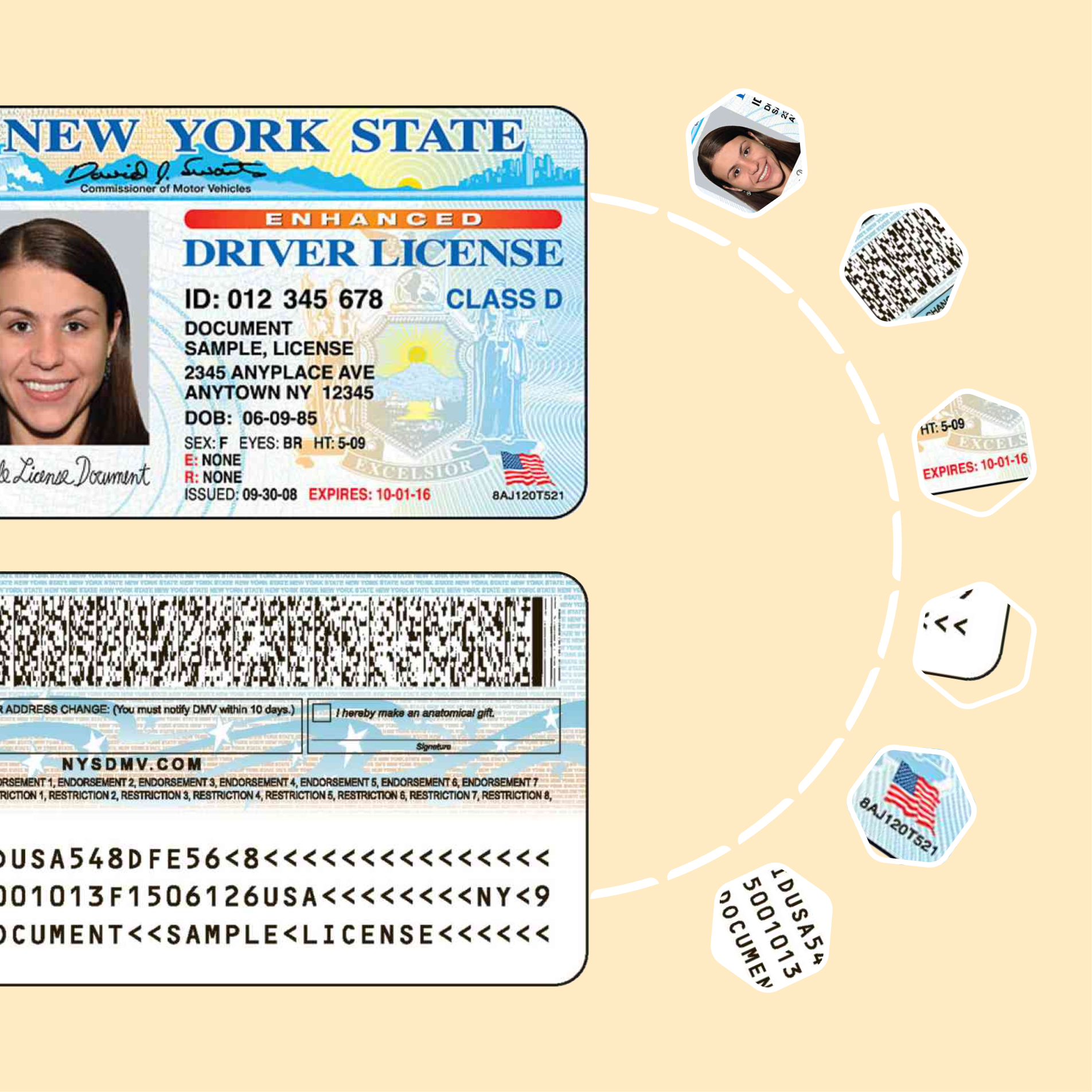
- Identity verification: AI-powered document capture and liveness detection (selfie + video where allowed), supporting passports, ID cards, residence permits, and driving licences across EU member states. Initial verification should confirm the customer’s identity against the submitted government issued id.
- Document processing: OCR and computer vision extract data from payslips, tax statements, proof-of-address, insurance certificates, and contracts. Automatic validation rules (dates, issuer, consistency) reduce manual checks and improve document quality.
- Sanctions, PEP, and adverse media screening: Screening should be real-time via APIs, configurable by jurisdiction, and integrated so the user isn’t asked for information multiple times. This is essential to reduce fraud and prevent fraud related to money laundering or terrorist financing.
- Fraud detection and risk scoring: Device fingerprinting, IP reputation, document forgery detection (photo replacement, font inconsistencies), and behavioral signals like typing speed. AI models learn from confirmed fraud cases to improve risk checks over time.
- Consent, privacy, and data sovereignty: Users should see clear consent screens, data usage explanations, and reassurance that their data is hosted in the EU or on-premises when using platforms like Datakeen.
- UX and accessibility layer: Support for multiple languages (e.g., French, English, Spanish, German), accessible design for screen readers, and clear branching if something fails (e.g., “Upload another document” instead of a dead end).
These components should combine into a single, user friendly flow rather than disconnected silos—each step building on the last to ensure compliance while maintaining customer satisfaction.
Managing Customer Data
Managing customer data is at the heart of a secure and compliant onboarding process. From the moment a new client begins onboarding, companies are responsible for collecting, verifying, and analyzing a range of customer data—including personal details, identification documents, and risk assessment information. This data is essential for determining the customer’s risk profile and applying the appropriate level of due diligence, ensuring that each client is onboarded in line with regulatory requirements.
To ensure compliance, organizations must implement strong data protection measures throughout the onboarding process. This includes encrypting sensitive information, restricting access to authorized personnel, and maintaining detailed records of all verification and due diligence activities. By prioritizing the security and integrity of customer data, companies not only meet regulatory requirements but also build customer trust and reduce the risk of data breaches. Effective management of customer data is a cornerstone of a compliant, efficient, and user-friendly onboarding process.
Data Sources and Verification
Reliable data sources and thorough verification are essential to a successful onboarding process. To ensure compliance and prevent fraud, companies must verify customer information against trusted data sources such as government issued ID documents, utility bills, and credit reports. The verification process involves confirming the customer’s identity, address, and other personal details, ensuring that each new client is who they claim to be.
Beyond basic identity checks, companies must also assess the customer’s risk profile by screening against sanctions lists, PEP databases, and adverse media sources. This multi-layered verification process is crucial for meeting regulatory requirements and protecting the business from financial crime. By leveraging robust data sources and advanced verification technologies, organizations can streamline the onboarding process, reduce manual errors, and ensure that only legitimate clients are granted access to their services.
Human Review and Due Diligence
While automation and AI have transformed the onboarding process, human review and due diligence remain indispensable for ensuring compliance and preventing fraud. Automated systems can quickly process large volumes of data and flag potential risks, but human expertise is essential for accurately assessing complex or ambiguous cases. Human review allows compliance teams to evaluate the customer’s identity and risk profile in detail, applying judgment and experience where automated checks may fall short.
Due diligence involves a comprehensive review of the customer’s information, including their background, transaction history, and any risk indicators identified during onboarding. This process ensures that higher-risk clients receive the appropriate level of scrutiny, in line with regulatory requirements. By combining advanced technology with thorough human review and due diligence, companies can create an onboarding process that is both efficient and robust—minimizing risk while delivering a seamless experience for legitimate customers.
Practical Strategies to Reduce Friction Without Losing Control
These are actionable tactics that product, risk, and compliance teams can implement in 2024 to improve conversion rates without compromising on meeting compliance requirements.
- Minimize data requested upfront: Design forms that only ask for what is needed to run initial verification and risk checks. Defer non-critical fields (e.g., marketing preferences) to after account setup or first login.
- Use real-time validation: Implement instant feedback on blurry ID photos, missing document corners, expired IDs, and inconsistent dates. This reduces drop offs caused by rejections hours later and helps customers understand what’s needed.
- Optimize for mobile: Ensure all steps—ID capture, selfie, document upload, signature—can be done comfortably on a smartphone over 4G, with compression and offline-safe flows where possible.
- Apply adaptive KYC intensity: Use risk scoring to determine whether a customer needs a lighter or heavier onboarding flow. Low risk customers get fast-tracked; complex corporate or high-risk profiles face enhanced due diligence and possible human review.
- Automate decision-making where possible: Leverage AI-based IDV, OCR, and screening to auto-approve the majority of standard applications within seconds, reserving human touch for genuine edge cases.
- Communicate clearly: Show users how many steps remain, why certain documents are required, approximate processing time, and what happens if verification fails (e.g., how to re-try or contact support). Progressive disclosure keeps the process from feeling overwhelming.
Datakeen modules support each of these tactics, from real-time document validation to risk-based workflow branching, helping you transform compliance from a bottleneck into a strategic advantage.
Measuring Success: KPIs for Compliance and Conversion
Balancing compliance and conversion is impossible without robust measurement across both the user experience and risk/compliance performance. Here are the KPIs that matter most:
Conversion and experience KPIs:
- Onboarding completion rate
- Time to first approval (onboarding time)
- Number of steps/screens in the flow
- Drop-off by step
- NPS/CSAT specific to the onboarding experience
Compliance and risk KPIs:
- Percentage of customers with completed CDD/EDD
- Sanctions/PEP hit resolution time
- Suspicious activity detection rate
- External audit findings related to onboarding
Quality and efficiency KPIs:
- False positive rate (good customers incorrectly flagged)
- False negative estimations based on confirmed fraud
- Manual review rate
- Average handling time for borderline cases
Technical and operational KPIs:
- API uptime
- IDV/OCR straight-through-processing rate (no human touch)
- Re-submission rate for documents or selfies
Platforms like Datakeen centralize these dashboards, allowing risk and product teams to adjust thresholds and workflows when they see spikes in abandonment or false positives. Continuous monitoring of these metrics is the foundation of ongoing optimization.
How Datakeen Helps Balance Compliance and Conversion
Datakeen is a AI RegTech and document automation platform specializing in identity verification, document processing, anti-fraud, and AI vision. For financial institutions, insurers, mobility platforms, and rental companies, Datakeen provides the infrastructure to ensure compliance while improving conversion rates.
- Identity verification modules: API-based ID document capture, liveness detection, age estimation where needed, and automated checks against security features to spot forged or altered IDs. Datakeen supports passports, national ID cards, residence permits, and driving licences across EU member states.
- Document processing OCR: Automatic extraction from payslips, tax returns, proof-of-address, company registry extracts, and IBAN documents. Validation rules confirm authenticity and coherence across documents, reducing time spent on human review.
- Compliance and fraud tools: Integration with sanctions and PEP lists, risk scoring models tailored to US industries, continuous monitoring triggers, and audit-ready detailed records of every decision. This helps you reduce fraud and meet regulatory compliance obligations.
- Deployment options: SaaS in EU data centers, private cloud, or full on-premise setups for banks, insurers, and public entities needing strict data residency and sovereignty guarantees.
- Concrete benefits: Clients have reduced onboarding times from days to under 10 minutes, increased approval rates without raising fraud losses, and passed regulatory reviews more easily thanks to detailed traceability.
Whether you’re onboarding new clients for a US bank or a mobility platform, Datakeen enables you to build onboarding journeys that are fast, compliant, and user friendly.

Future Trends in Client Onboarding
Client onboarding will continue to evolve through 2025–2027, driven by EU digital identity initiatives, stricter AML expectations, and technological advancements in AI.
- EU digital identity wallets: The planned European Digital Identity Wallet (eIDAS 2.0) will allow near-instant onboarding and age/identity proofing with user-controlled data sharing. Organizations that integrate with these wallets will gain a competitive edge in customer acquisition.
- More powerful, explainable AI: Onboarding will rely increasingly on AI models for fraud detection and risk scoring, but with explainability and bias control to meet regulatory expectations and internal model risk management.
- Deeper integration of onboarding and lifecycle monitoring: Onboarding checks will be continuously refreshed based on behavior, transactions, and new risk events, blurring the line between kyc onboarding and ongoing monitoring.
- Greater emphasis on privacy and sovereignty: Data localization, encryption, and federated learning will become differentiators, especially for European institutions wary of extraterritorial laws affecting cloud providers.
- Modular, future-proof platforms: Organizations that invest now in modular, AI-enabled, and sovereignty-aware platforms like Datakeen will be better positioned to adapt to these trends without overhauling their onboarding stack every two years.
The winners in this space will be those who treat onboarding not as a one-time project, but as an ongoing discipline—using data sources and feedback loops to continuously improve both the user experience and compliance posture.
FAQ
Q1: How can we start reducing onboarding friction without weakening our KYC controls?
Begin by mapping your existing onboarding workflow step by step, measuring drop-offs per screen, and identifying fields or documents not strictly required for initial regulatory checks. Then introduce risk-based tiers so low risk customers face fewer verification steps while keeping full CDD/EDD for higher risk clients. This approach lets you improve conversion rates without sacrificing the integrity of your risk assessments.
Q2: What types of documents can Datakeen automatically process during onboarding?
Datakeen’s OCR and AI can extract and validate data from European ID documents, passports, residence permits, driving licences, payslips, tax assessments, bank statements, proof-of-address documents, and company registry extracts. This automation reduces manual review time and improves document quality across your onboarding journeys.
Q3: Does using AI for identity verification comply with GDPR and European data protection rules?
Yes, when implemented correctly. Datakeen processes customer data in EU infrastructure or on-premise, supports explicit consent flows, applies data minimization and retention policies, and offers detailed audit logs so that institutions can demonstrate compliance to regulators. This approach ensures your digital identity verification meets the highest European standards.
Q4: How long should a “good” digital onboarding take for a standard retail customer in Europe?
Many leading financial and rental platforms now target 3–8 minutes for a full digital journey, including ID capture, selfie, document upload, and risk checks. With automation, most approvals can be delivered in under 60 seconds after the user submits documents, assuming no additional risk flags require human review.
Q5: Can Datakeen help with both individual (KYC) and business (KYB) onboarding?
Yes. Datakeen supports identity verification for individuals and automated extraction and validation for business documents (company registry data, UBO information, legal representatives), enabling unified and risk-based onboarding flows for B2C and B2B clients. This flexibility allows you to handle due diligence for your customer’s account regardless of whether they’re an individual or a company.